Every huge thing started embarrassingly small. Huge walks your idea through the stages good product teams use, one small step at a time. Agents do the legwork, you make the calls.
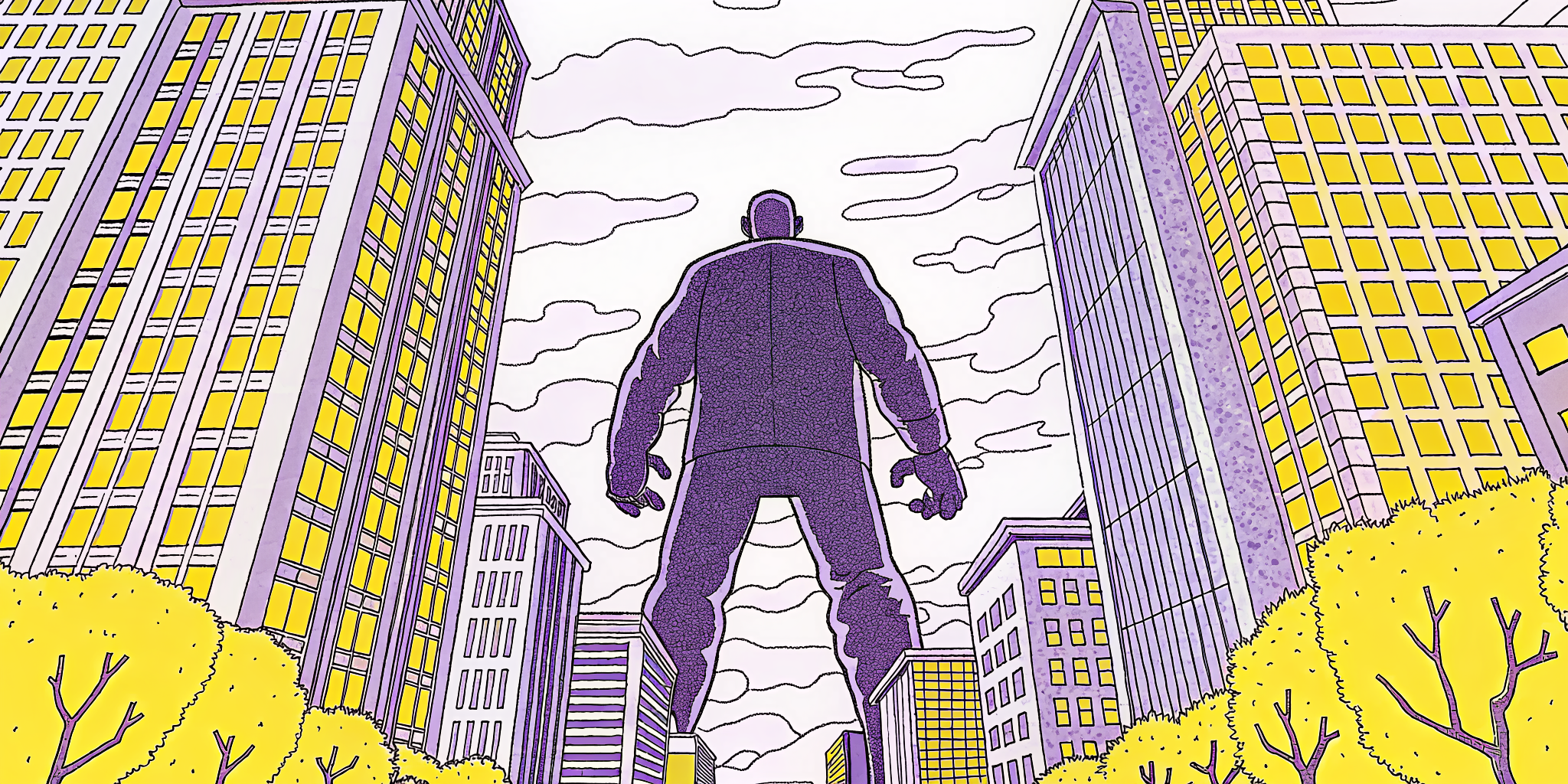
AI will hand you a working app in a weekend and not one clue whether anyone wants it. Knowing what to build, who it's for, and whether it deserves your year is the job nobody teaches.
Huge teaches it, on your own idea.
Sweep the market, the competitors and the conversations, and what people already pay for.
Pressure-test where it sits, who it is for, and what has to be true for it to work.
Draft and assemble while you shape and steer, so what ships is the tested version.
Frame it+
Your idea, in your words, on day one. The agents question it the way a sharp co-founder would, until you can say exactly what you're betting on and what has to be true for it to work.
Understand it+
The agents sweep the market, your competitors and the online conversations while you talk to a handful of real people. Between you, you'll know whether the problem is real and who has it worst.
Shape and test it+
You generate concepts with the agents stretching your thinking, back the strongest, and run small, cheap experiments before any big bets.
Build it+
The agents draft and assemble while you shape and steer. What ships is the version people have already asked for, with the evidence to show it.
The evidence backs it. Move to the next stage knowing why.
Something isn't holding. Adjust and retest before you spend more.
It doesn't stand up. Finding out now is a year you keep.
No gatekeepers, no equity, no hype.
A method that holds+
The end-to-end sequence, frame to build. No drift, nothing to figure out alone.
Agents that do the legwork+
A specialist agent for every stage, doing the same job reliably every time. The structure random prompting never gives you.
Founding skills you keep+
You learn founding by doing it, on your own idea. The skills stay when the programme ends.
Work you own outright+
A framed idea, an evidence file, a tested concept, a working product. All yours.
Another app builder+
The world has plenty. Huge is whether yours should exist and how it becomes a business.
Done-for-you+
Agents prepare, you decide. That's the skill being trained.
Techbro promises+
If the evidence says your idea isn't worth building, you'll hear it plainly. Finding out early is the win.
A claim on your business+
No equity, no lock-in, cancel any time.
Not any more.
Paul has run innovation programmes, run businesses, and run out of patience with ideas that skip the hard questions. The method is what happens when someone finally writes the hard questions down in the right order.
Twenty-five years of design taught Shey that ideas fail on decisions, not on making. AI hasn't changed that. Used lazily, it just builds the wrong thing faster. Used well, it makes every decision better informed. This is the used-well version.
“We're not here to outsource your thinking to AI. We're here to put agents around it, so the thing you build comes with proof it should exist.”
The thing you've been carrying, further on in weeks than years of thinking about it got you.
Real signals from real people at every stage, so by the time you build, you know who's waiting.
The way of building stays with you. So does everything you made.
A month, locked for founding members. No equity, ever. You keep everything you build.
Do I need to be technical?+
No. If you can explain your idea in the pub, the agents can take it from there.
What if I don't have an idea yet?+
A hunch is enough. The first stage is you and the agents turning a rough thought into something worth testing.
How much time does it take?+
A few focused hours a week. The agents compress the legwork that used to take weeks, so your hours go on deciding.
What happens after I join?+
We'll tell you the moment you can start, and nothing else lands in your inbox before then.
What does it cost?+
£30 a month at launch, locked for founding members, cancel whenever. No equity, ever.
What if my idea doesn't survive?+
Then it cost you weeks and £30 to find out, not years and your savings. The next small idea starts smarter.
Start with the idea you've been carrying and find out what it's actually worth.
Start today